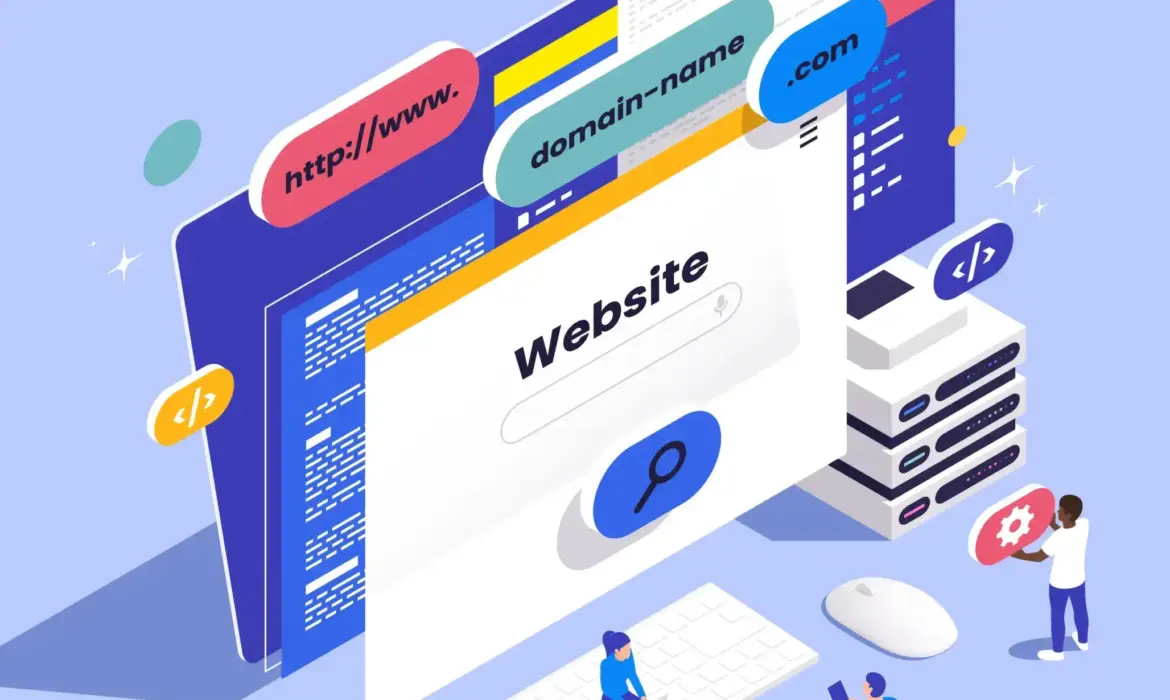
Website design is the strategic process of planning, structuring, and creating a digital experience that represents a brand, communicates value, and enables users to interact efficiently with content or services. Modern web design is a blend of visual design, technical implementation, and user-focused thinking — all working together to produce an effective online presence.
Core Areas of Website Design
Front-end forms the visual and interactive layer of a website. The Importance of Website Design for Your Business
defines how pages are structured, styled, and displayed across devices. Clean code, responsive grids, and efficient interaction patterns ensure that users experience the site as intended.
The back-end powers the functionalities behind the interface — managing data, user interactions, APIs, and system logic. A reliable back-end ensures stability, security, and scalability, especially for business-critical applications.
User Interface design shapes the look and feel of a website. It focuses on clarity, consistency, hierarchy, and visual alignment with brand identity. Effective UI increases user trust and supports faster decision-making.
User Experience design defines how seamlessly users can achieve their goals. It involves architecture, navigation, performance, accessibility, and interaction flows. Strong UX reduces friction, improves retention, and directly influences conversions.
The Importance of Website Design for Your Business Content determines the website’s message, tone, and communication effectiveness. Well-structured content supports SEO, guides users through the site, and strengthens brand authority.
First Impressions Influence Trust
A well-executed design communicates professionalism and credibility immediately. Poor visuals or cluttered layouts can undermine trust, even if the business behind the website is strong.
Design Directly Impacts User Behavior
Clear navigation, logical structure, readable content, and predictable interactions make users more likely to engage, explore, and convert. Good design reduces bounce rates and encourages action.
Search engines prioritize websites that load quickly, adapt to all devices, and provide structured, accessible content. Technical design decisions — from layout to code optimization — play a significant role in ranking.
Brand Identity Is Expressed Through Design
Color systems, typography, spacing, and layout patterns create a recognizable identity. A consistent visual language strengthens brand memory and sets the website apart from competitors.
Effective Design Drives Business Results
When visuals, structure, and content align with user intent, the website becomes a conversion asset. Whether the goal is generating leads, selling products, or establishing authority, design is a primary driver of outcomes.
Conclusion
Website design is no longer limited to aesthetics; it is a strategic discipline that shapes user perception, performance, and business effectiveness. By combining strong UI, thoughtful UX, solid development, and purposeful content, a website becomes a powerful tool for building trust and driving measurable results.